Best Pokies in Geelong: Terms, Venues and Play
 Available in US
Understand local terminology, venue settings, payout percentages, volatility and the limits of online and casino descriptions.
Table of Contents
- The Pokies Vocabulary Geelong Players Actually Need
- What Australian Law Allows—and What It Does Not
- Late-Night Pokies in Geelong: Hours, Clubs and the 5am Question
- Cashless Play and the Limits of the Casino Label
- Finding Pokies Near Geelong Central and the Airport
- Payout Percentage Is a Long Game, Not a Promise
- Which Pokies Pay Best in Geelong? Read Volatility First
- Online Pokies Near Geelong: A Phrase That Needs Care
- Pokies at Crown Casino Geelong: Separating Names from Places
The Pokies Vocabulary Geelong Players Actually Need
In Geelong, pokiesis the ordinary Australian word for electronic gaming machines. It is more natural locally than slot machines, which belongs to the international casino vocabulary. The technical term is electronic gaming machine, or EGM, but that is the language of regulations, reports and venue paperwork. At the machine, the shorter word wins.
That distinction matters because the same basic game may be described in several ways. A guide discussing Geelong pokies can be talking about the familiar cabinet with spinning symbols, a digital version viewed through a screen, or an online game using the same mathematical structure. The vocabulary changes with the setting. The underlying mechanics do not.
Reels, symbols and paylines
The visible part of a pokie is built around reels. These are columns containing symbols that appear to stop in different positions after a spin. Older machines presented physical reels; modern games generally display them on a screen, with software determining the result.
A payline is a route across the reel window on which matching symbols may form a winning combination. Some games use a small, fixed set of lines. Others offer many lines or replace traditional paylines with ways-to-win systems, clusters or symbol patterns. The exact arrangement belongs to the individual game, so the number of reels alone says little about how a result is calculated.
This page brings together notable pokies options for players in Geelong looking at 2026 choices. Use the list as a quick reference for checking licensing details, bonuses, deposit requirements, and payout information where provided.
License: Curacao Gaming Control Board OGL/2023/176/0095 (Hollycorn N.V.) · Bonus: up to A$1,500 + 200 free spins across 3 deposits LuckyVibe is notable for its Curacao Gaming Control Board licence, issued to Hollycorn N.V. Its welcome offer provides up to A$1,500 and 200 free spins across three deposits.
License: Curacao eGaming Licence · Min. deposit: A$10 Rocket Play operates under a Curacao eGaming Licence. It lists a minimum deposit of A$10.
License: Curacao eGaming Licence · Min. deposit: A$10 Aussie Play operates under a Curacao eGaming Licence. Its listed minimum deposit is A$10.
License: Curacao, operated by Dama N.V. · Bonus: 325% up to 5.25 BTC + 250 free spins across 4 deposits 7Bit Casino is licensed in Curacao and operated by Dama N.V. Its offer includes 325% up to 5.25 BTC and 250 free spins across four deposits.
Bonus: 100% up to A$750 + 200 free spins, 35x wagering · Payout speed: crypto 30-120 minutes, fiat 24-72 hours · Min. deposit: A$30 MrPacho offers 100% up to A$750 plus 200 free spins, with 35x wagering. The minimum deposit is A$30, and stated payout times are 30–120 minutes for crypto and 24–72 hours for fiat.
License: Curacao – Antillephone N.V. (Versus Odds B.V.) · Bonus: up to EUR 2,000 across 5 deposits + 200 free spins · Min. deposit: EUR 20 Thor Casino is licensed in Curacao by Antillephone N.V. for Versus Odds B.V. Its promotion offers up to EUR 2,000 across five deposits plus 200 free spins, with a EUR 20 minimum deposit.
License: Curacao eGaming OGL/2024/923/0383 (Antillephone N.V.) · Bonus: up to A$2,000 + 100 free spins across 2 deposits · Min. deposit: A$30 WinSpirit Casino holds a Curacao eGaming licence, OGL/2024/923/0383, issued to Antillephone N.V. Its offer includes up to A$2,000 and 100 free spins across two deposits, with a A$30 minimum deposit.
License: Curacao · Bonus: up to A$2,000 Golden Pokies is listed as licensed in Curacao. Its stated bonus is up to A$2,000.
License: Curacao Gaming Control Board (TechSolutions Group N.V.) · Bonus: 100% up to A$250 + 100 free spins (1st deposit) Bizzo Casino is licensed by the Curacao Gaming Control Board through TechSolutions Group N.V. Its first-deposit offer is 100% up to A$250 plus 100 free spins.
License: Curacao Gaming Control Board · Bonus: up to A$5,000 + 400 free spins JustCasino operates with a Curacao Gaming Control Board licence. Its listed promotion offers up to A$5,000 and 400 free spins.
The important point is that a winning pattern is not created by the visual motion of the reels. The animation reveals the outcome; it does not negotiate with it. A near miss can look theatrically close without being evidence that the next spin is becoming favourable. Machines are not sentimental.
Stake, spin and bet size
A spin is one completed game round. The stake or bet is the amount committed to that round. Depending on the game, the total stake may be adjusted through the value of each line, the number of active lines, the coin value or a single overall bet setting.
Online pokies can offer bets from a few cents to hundreds of dollars per spin. That broad range describes available settings, not a sensible target or a likely outcome. A larger stake does not make a losing result impossible, and betting the maximum does not guarantee access to a jackpot.
The paytable explains what symbols pay, which combinations count, and how special features operate. It is the machine’s small print, though “small” is not always a physical description. Wild symbols may substitute for others; scatter symbols may trigger features without appearing on a conventional payline; bonus rounds may alter the way wins are calculated. These labels are useful only when tied to the particular game’s rules.
RTP is a long-run measure
RTP, short for Return to Player, is a theoretical long-term average expressed as the proportion of stakes a game is designed to return over a very large number of plays. It is not a promise attached to one machine visit, one evening or one fortunate-looking sequence.
A game with a stated RTP does not owe that return to the next spin. Nor does a poor result mean that compensation is due. RTP belongs to the mathematics of repeated play, not to the emotional accounting of an individual session. That is why “best paying” can be a slippery phrase: a higher theoretical return, where independently established, still cannot predict the result of a particular spin.
Volatility describes the rhythm
Volatility concerns how wins tend to be distributed. High-volatility pokies generally pay less frequently, with larger amounts when winning combinations arrive. Low-volatility pokies generally produce wins more often, but in smaller amounts.
This is not a ranking from good to bad. It is closer to describing weather: one pattern brings rare heavy rain, another brings frequent showers. Two games can have the same RTP while feeling entirely different because their volatility is different. One may create long quiet stretches interrupted by a larger feature; another may produce regular small wins that do not necessarily protect the bankroll.
The word “feel” should not be confused with control. Volatility describes the game’s designed payout pattern, not a machine’s mood and not a prediction about the next spin.
Independence and the gambler’s memory
Each spin is independent. The previous result has no bearing on the next outcome. A run of losses does not make a win “due”, while a recent win does not make another win less likely merely because the machine has just paid.
Legal Reality Online casino games, including pokies, are prohibited for Australian customers under the Interactive Gambling Act 2001.
This is where ordinary human memory becomes an unreliable statistician. Reels stop dramatically, symbols appear almost aligned, and a sequence acquires a story. The software has no such story. It produces outcomes according to the game’s random process, while the punter supplies meaning afterwards.
Online pokies use the same reels, RTP and volatility concepts as machine-based games; the main difference is the local terminology and the way the game is presented. A screen does not turn a game into a different kind of mathematics.
These terms—reels, paylines, stake, paytable, RTP and volatility—are enough to read claims about Geelong pokies without mistaking colourful presentation for evidence. The machine may offer spectacle. The vocabulary supplies the brakes.
What Australian Law Allows—and What It Does Not
In Geelong, the legal distinction is not between a “good” pokie and a “bad” one. It is between the place and the product. A machine in a lawful land-based venue belongs to one regulatory category; a real-money pokie offered online to an Australian customer belongs to another. The word casino does not smooth over that boundary, however enthusiastically a website uses it.
The main federal law governing online gambling is the Interactive Gambling Act 2001. Under that law, online casino games offered to people in Australia are prohibited. Pokies sit squarely within that category, alongside online roulette, blackjack and live-dealer casino tables. There is no Australian licence for online pokies. None has ever existed.
That point matters for searches combining Geelong with phrases such as “online pokies”, “real-money play” or a no-deposit offer. A page may be written for Australians, display Australian currency or use local language, but those features do not turn an online casino into an Australian-licensed service. Nor does a Geelong reference establish that the operator is local, lawful or subject to Australian casino regulation.
What remains legal
Australians can legally use several forms of gambling product, provided the relevant licensing arrangements exist. The permitted categories include:
- land-based casinos;
- licensed bookmakers;
- pre-event sports and racing wagering;
- lotteries;
- keno.
These categories do not amount to a general permission for every gambling product delivered through the internet. Online sports betting can be licensed, while online casino games remain prohibited. The distinction is less exciting than a promotional banner, but considerably more useful.
Land-based play is therefore a separate question from an online pokie account. A physical venue may operate gaming machines under the applicable local licensing framework. That does not create an online extension of the same permission. A venue name, a local search result or a familiar casino brand cannot be treated as proof that its pokies are legally available through a website.
This is why references to a supposed Geelong casino, a Crown-branded location or high-limit machines need careful handling. A name in a search result is not evidence that the named place exists in Geelong, that it offers pokies, or that an online service connected with the name has permission to accept Australian customers. Geography does not manufacture a licence.
Who is targeted by enforcement?
The Interactive Gambling Act targets the provider rather than the individual punter. Australians are not prosecuted under the Act merely for placing bets at offshore sites. The legal risk and enforcement focus fall on the operator offering prohibited online services to people in Australia.
Enforcement Focus The Interactive Gambling Act targets the offshore operators providing prohibited services rather than the individual Australian players.
That distinction should not be mistaken for an official endorsement of offshore play. No Australian casino licence covers those online pokies, and no domestic regulator turns an offshore website into a local venue. The fact that the player is not the enforcement target answers one narrow legal question only. It does not establish Australian consumer protection, dispute handling or licensing status.
Offshore operators may describe themselves as licensed in another jurisdiction. That is a different proposition from holding an Australian casino licence, because no such Australian licence exists for online pokies. A foreign registration or licence may explain the operator’s own regulatory setting; it does not change the Australian prohibition on offering online casino games to people in Australia.
Bonuses do not change the product
Terms such as “no deposit”, “free spins” and “real money” describe an offer or payment arrangement, not its legal category. A bonus attached to an online pokie remains attached to an online casino game. Removing an initial deposit does not transform the service into a permitted Australian gambling product.
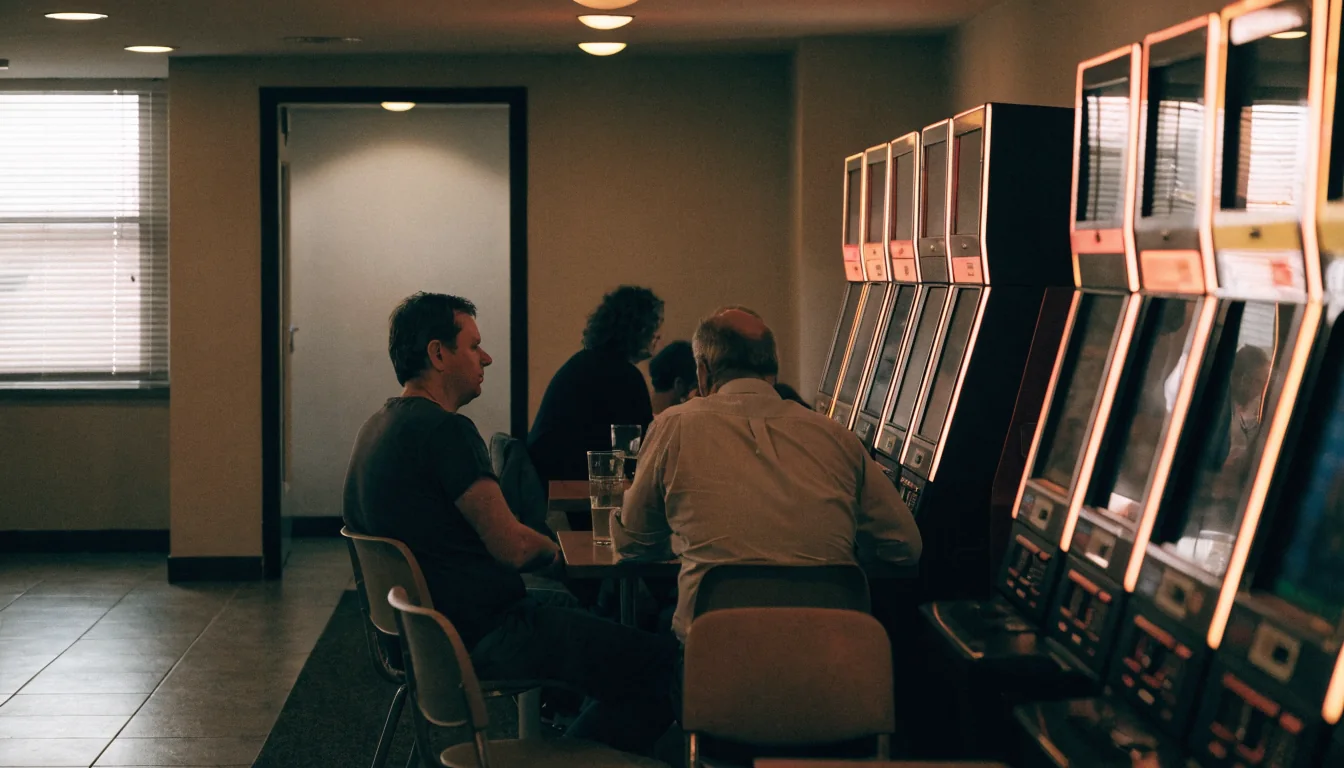
The same applies to phrases that borrow local geography: “online pokies in Geelong” may sound like a digital version of a local venue, but wording is not licensing. It may identify the intended audience. It does not establish that Australians can lawfully be offered the product.
For anyone comparing gambling options, the cleanest legal test is therefore product first, delivery method second and licence third. Land-based pokies, licensed wagering and lotteries belong to categories recognised by Australian law. Real-money online casino pokies offered to Australians do not. The boundary is firm. The marketing is not.
Late-Night Pokies in Geelong: Hours, Clubs and the 5am Question
Late-night pokies are often imagined as a simple matter of finding a machine that is still switched on. In Geelong, the harder part is separating several different things: a venue’s advertised opening hours, the hours of its gaming room, the availability of machines, and the assumption that “open” means every part of the venue is operating.
Those are not interchangeable. A club may remain open while its gaming area follows separate conditions. A hotel may trade late while its machines are unavailable at particular times. A listing may show a venue as open without confirming that the pokies room is admitting patrons. The glowing word is not a timetable.
Late-Night Verification
- Confirm the venue’s general trading hours
- Check if the specific gaming room is operational
- Verify if pokies are actually available
- Ensure the information is current and not an outdated listing
What “24-hour pokies” usually means
A request for twenty-four-hour pokies in Geelong is often less literal than it sounds. It may mean a venue open very late, a club with machines available after midnight, or simply somewhere that does not close when the rest of the town has gone quiet. Search language compresses all three into one blunt phrase.
That matters because a venue’s general trading hours do not establish continuous access to its gaming machines. Opening information can describe the dining room, bar, reception area or accommodation desk rather than the gaming floor. Even a page that says “open now” may be reporting the venue’s overall status, not the status of its pokies.
The practical distinction is small on a screen and decisive at the door.
For late-night plans, the useful questions are therefore more specific:
- Is the venue open at the intended time?
- Is the gaming room operating during those hours?
- Are pokies available, rather than merely listed as part of the venue?
- Does the venue admit patrons late at night, or does it limit access to particular areas?
- Is the published information current enough to rely on?
A venue directory can answer the first question imperfectly. It may not answer the others at all.
Clubs, hotels and the idea of a local night
“Geelong clubs with pokies” describes a familiar type of venue rather than a single operating model. Clubs can combine gaming areas with meals, bars, community facilities or membership arrangements. Hotels may have pokies alongside accommodation, food service and ordinary pub trading. Their atmosphere at night is consequently different from the polished, destination-style image suggested by the word casino.
The difference is social as much as architectural. A club is part of a local routine: dinner, a drink, a meeting, perhaps a brief visit to the gaming room. A hotel carries the older Australian habit of placing gambling inside an otherwise ordinary public house. The machine is not always presented as an event. It is placed in the background, where background habits become remarkably durable.
That does not make one venue safer, more generous or more suitable than another. It only explains why searches for clubs and hotels appear alongside searches for casinos. People are often looking for proximity, familiarity and late opening rather than spectacle.
The term “casino” can muddy this picture. A venue described casually as casino-style, or associated with casino language, is not thereby confirmed as a casino, nor does the label establish its hours, machines or protections. Names travel faster than facts.
The 5am assumption
The idea of pokies open until five in the morning has a particular force because five o’clock sounds like a boundary between night and morning. It suggests that a venue has survived the ordinary closing hour and offers uninterrupted access to the small hours.
That implication should be treated cautiously. A late trading time may refer to the venue as a whole, not its gaming area. It may also describe a special schedule, a particular day, or information that has not kept pace with operational changes. A historic listing can remain visible long after the practical arrangement has changed. The internet is patient with outdated opening hours.

There is also a difference between a venue being permitted to trade late and a punter being able to enter and play continuously. Staffed areas may close separately. Access may be restricted. Machines may be unavailable even when food or drinks are still being served. None of this requires a dramatic explanation; ordinary hospitality operations are full of doors that close at different times.
So the five-am question has no responsible universal answer for Geelong. It is a venue-specific question, and the answer needs to come from current operating information rather than from the phrase “open twenty-four hours”.
Checking late-night information without overreading it
A sensible late-night check is a chain of modest confirmations, not a grand assumption built from one green “open” symbol.
First, confirm the venue’s current general hours. Then look for separate wording about the gaming area, club facilities or late-night access. If the information is unclear, direct confirmation from the venue is more useful than a third-party listing that has copied an old schedule.
The wording matters. “Open late” is not the same as “gaming room open late”. “Open twenty-four hours” is not the same as “pokies available twenty-four hours”. “Pokies venue” identifies a type of venue, not a promise about every hour of operation.
A current notice may also distinguish weekdays from weekends or ordinary trading from special events. Such details are easy to miss when a listing reduces the whole venue to one opening-status label. The neatness of the listing is precisely the problem.
What can be inferred from “open now”
An “open now” result is useful only as a starting point. It can suggest that some part of a venue is trading at that moment. It cannot, by itself, prove that machines are operating, that the gaming room is accessible, or that the venue will remain open for the rest of the intended visit.
This is especially important after midnight, when the date changes and opening-hour information becomes less intuitive. A listing that appears current may still be based on a weekly schedule. A venue may technically be open while operating with reduced services. The distinction between a door being unlocked and a gaming room being available is not glamorous, but it is the distinction that prevents a wasted trip.
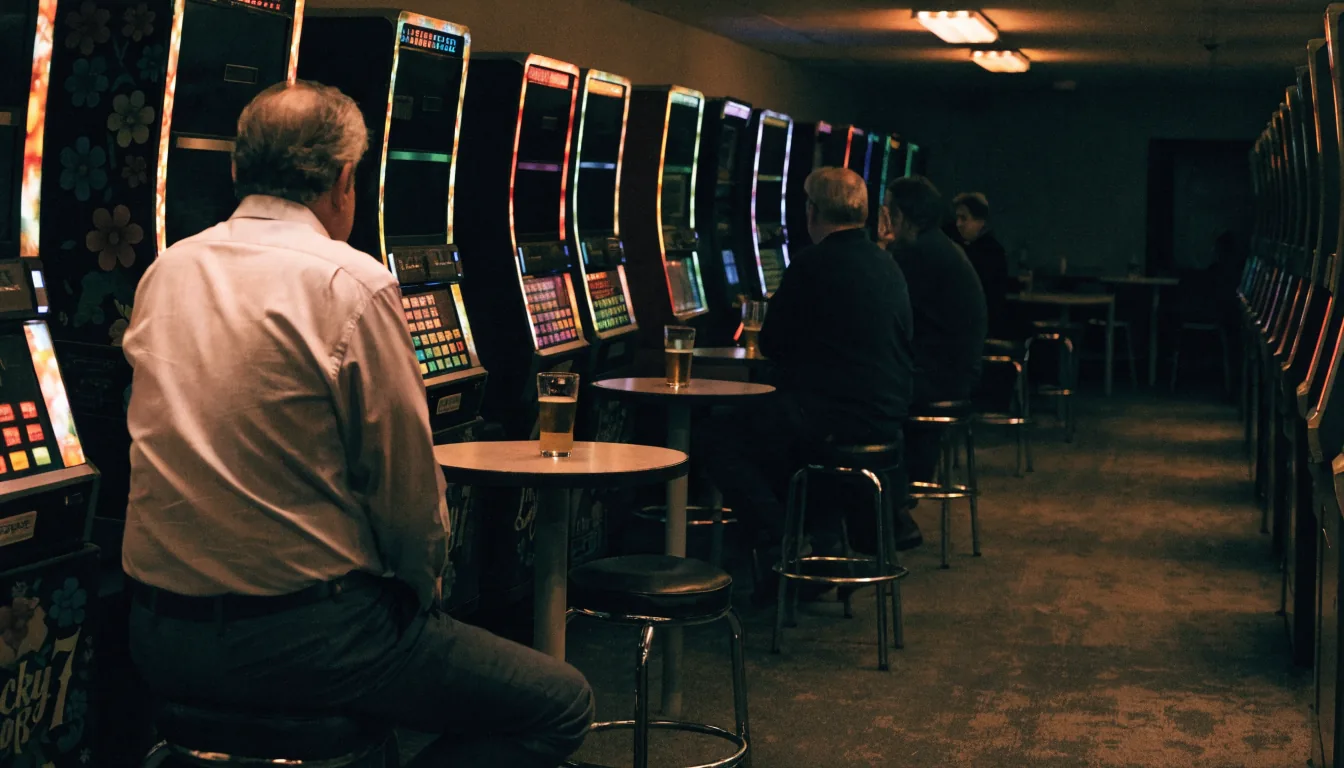
Geelong’s late-night landscape is therefore better understood as a patchwork than as a single timetable. Clubs, hotels and other gambling venues make their own practical arrangements within the applicable local framework. Their hours are not a shared citywide promise.
A note on payment expectations
Late-night searches sometimes slide into assumptions about cashless play or instant deposits. Those are separate matters. A venue’s opening hours do not establish which payment methods it accepts, whether carded play is required, or what safeguards apply. The familiar presence of a machine says little about the payment system around it.
For online wagering, a specialist industry review reports that credit cards, credit-related products and cryptocurrency have been banned as payment methods in Australia since 11 June 2024. That fact does not turn a late-night land-based venue into an online service, nor does it answer whether a particular club or hotel accepts a particular payment method. Operating hours and payment rules belong to different columns.
A more accurate picture of late-night play
The useful category is not “the best twenty-four-hour pokies venue”. It is a venue whose current hours, gaming-room access and late-night conditions are clear enough to verify. That sounds less exciting because it is less fictional.
Clubs may suit people who want a local, familiar setting. Hotels may be more visible in ordinary neighbourhood searches. A casino label may suggest a different experience altogether, but it should not be treated as proof of a Geelong venue, a late closing time or machine availability.
Late-night gambling has always depended on the quiet authority of the open door. In a city of venues with different schedules, that authority needs checking. Open is one fact. Playing is another.
Cashless Play and the Limits of the Casino Label
Cashless play sounds like a small technological adjustment: no notes in a machine, no coins gathered in a cup, no discreet walk to the cashier. In Geelong, however, it also changes the relationship between the punter, the venue and the record of play. A card, account or digital identifier can make gambling more traceable, while the word “cashless” itself says nothing about who operates the machines or what protections apply.
Cashless Advantages Cashless systems replace physical money with linked accounts, cards, or digital wallets, making deposits and withdrawals more seamless.
That distinction matters when a venue is described as offering casino-style pokies. “Casino” may describe atmosphere, branding or the way a listing has been written. It does not prove that the venue is a casino, that its machines are legally available, or that a particular payment method is supported. Likewise, “pokies” identifies the familiar Australian form of electronic gaming machine; it does not establish licensing, fairness or consumer safeguards.
What cashless actually changes
Cashless systems can replace physical money with a linked account, card or electronic wallet. The practical appeal is obvious. Deposits and withdrawals become less visible, and a punter does not need to handle cash for every session. The less obvious consequence is that spending can become easier to overlook. Notes have an irritating talent for announcing themselves. A balance on a screen is quieter.
A responsible cashless system therefore needs more than a tap-to-play function. It should make the balance clear, show transaction history and support controls such as deposit limits, self-exclusion and session-time reminders. Those safeguards are meaningful only when they are genuinely available and explained before play begins. A payment button is not a consumer-protection framework.
Carded play can also create a record of activity. That may help a venue identify patterns of extended or escalating gambling, but data collection alone is not responsible gambling. The useful question is what the operator does with that information, whether limits can be set, and whether exclusion remains possible once an account has been created.
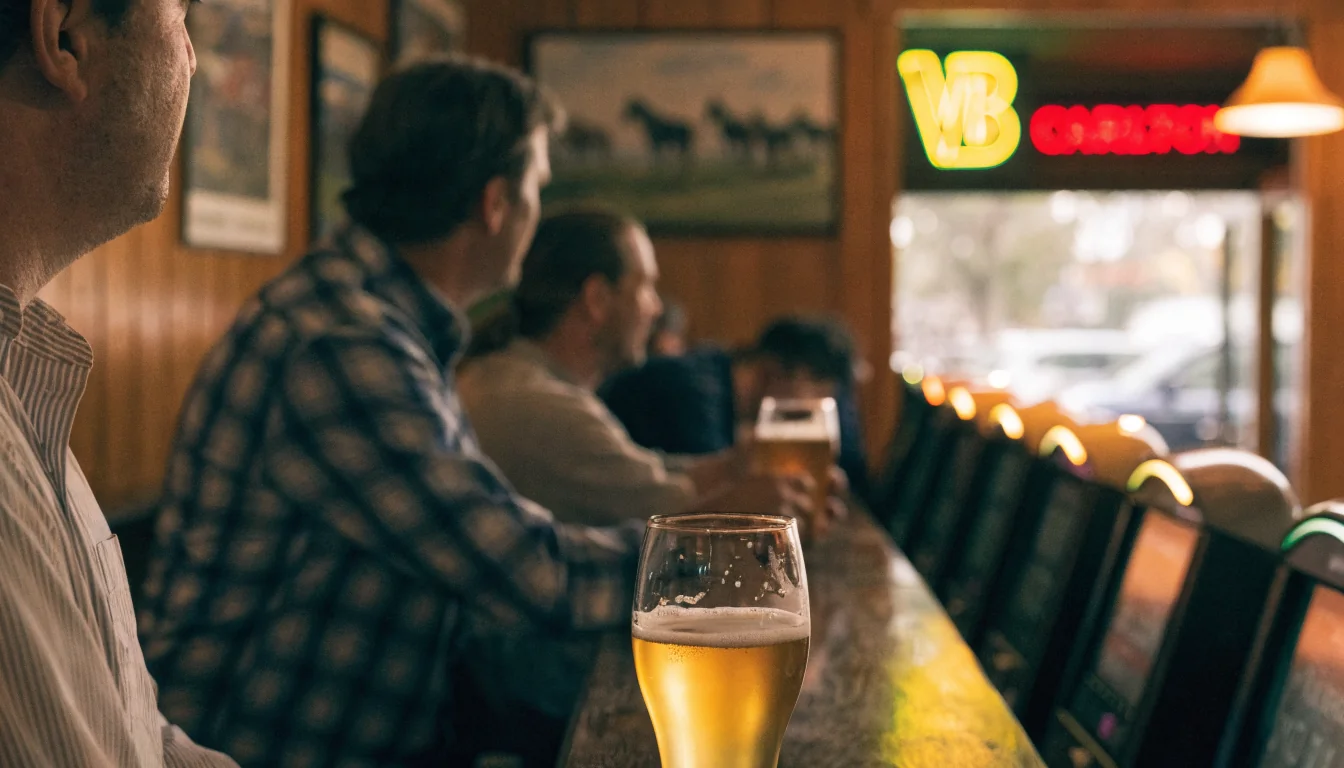
PayID is a payment method, not a licence
PayID has a distinctly Australian role because it links directly to an Australian bank account. The stated advantage is straightforward: deposits settle instantly without the card-processing delay, and PayID itself does not charge players a transaction fee. That describes the payment rail, not the gambling service attached to it.
A platform mentioning PayID may support deposits only. It must not be assumed to support PayID withdrawals as well. Nor does the presence of an Australian payment method turn an offshore casino-style service into an Australian-licensed venue. Familiar banking infrastructure can make a website feel local while leaving its regulatory position unchanged. Technology is very good at impersonating certainty.
The payment method also cannot be used to infer better odds, legitimate operation or stronger recourse if something goes wrong. Those are separate questions, and the PayID logo answers none of them.
The boundaries around online payment
A single specialist review reports that, since 11 June 2024, credit cards, credit-related products and cryptocurrency have been banned as payment methods for online wagering in Australia. That reported restriction is important when assessing claims about online pokies and casino-style platforms aimed at Australian customers. A site advertising a broad menu of payment options should not be treated as automatically compliant merely because the deposit page looks polished.
Payment Restrictions Attention Since 11 June 2024, credit cards, credit-related products, and cryptocurrency are banned as payment methods for online wagering in Australia.
For licensed Australian-facing platforms, independently audited random number generators are required. That is a technical fairness safeguard, not a promise of a winning session. It also cannot be inferred from the labels “casino”, “pokies” or “cashless”. The name on a banner is not an audit certificate.
Reading the label without trusting it
A Geelong venue may use casino language because it offers a casino-like setting, while a website may use the same language for entirely different reasons. Search results, venue descriptions and payment pages often compress several separate issues into one attractive phrase: machines, money movement, licensing and protection. They should be pulled apart again.
For cashless pokies, the sensible checks are therefore practical rather than theatrical:
- What payment methods are actually supported for deposits and withdrawals?
- Are transaction records and balances visible?
- Are deposit limits, self-exclusion and session reminders available?
- Is the operator’s status independently verifiable rather than implied by branding?
- Does the service explain its rules and withdrawal process clearly?
A “maximum bet” setting is only a control within a game. It does not guarantee a jackpot, improve the outcome or make a venue safer. Cashless play may reduce the friction of handling money, but it does not remove the need for scrutiny. A casino label remains a label. The safeguards have to be real.
Finding Pokies Near Geelong Central and the Airport
Location-led searches sound more precise than they are. “Pokies near Geelong Central” may describe a venue within the central shopping and transport area, or simply a place that has been categorised as serving central Geelong. “Near Geelong Airport” is looser still: the phrase can point towards the airport, the surrounding district, or a venue chosen because it is convenient before or after a journey.
The wording does not establish a venue’s name, walking distance, opening hours, machine availability, or licence status. Maps are helpful, but they are not legal documents. A pin on a screen proves that a place has been mapped. It does not prove that pokies are operating there.
Central Geelong
For central searches, location should be treated as a starting filter rather than a recommendation. The useful questions are practical:
- Is the venue actually in central Geelong or merely marketed towards it?
- Is the address current?
- Does the venue list pokies among its present facilities?
- Are the published hours current?
- Is the gambling product land-based rather than an online service using local-sounding language?
That last distinction matters because “local” is a geographical adjective, not a regulatory one. A website can mention Geelong without being a Geelong venue. The name does some work; the facts still have to do the rest.
Around Geelong Airport
Airport-oriented wording often reflects convenience rather than a specific neighbourhood. A search may be made by a traveller, an airport worker, or someone looking for a venue with a straightforward route from the terminal. None of those intentions identifies a particular establishment.
Distance claims should therefore come from a current map or the venue itself, not from the search phrase. Travel time can also change with the route, traffic and transport choice. An apparent short trip on a map is not automatically a short walk.
For Australians, the relevant local options are land-based casinos and other licensed gambling venues, alongside licensed bookies and lotteries. A proximity label cannot turn an unverified venue into a licensed one. Nor can the word “casino” establish that a place offers pokies.
The sensible reading of both central and airport searches is modest: they identify an area of interest, not a confirmed destination. First establish the address and the land-based offering. Then check the venue’s current details. Geography narrows the field. It does not fill in the blanks.

Payout Percentage Is a Long Game, Not a Promise
RTP, or Return to Player, is the figure used to describe a pokie’s theoretical return over a long run of play. It is not a forecast for an evening in Geelong, a particular machine, or a single run of spins. A percentage can describe the mathematics without saying what will happen next.
That distinction matters because the language of “payout percentage” sounds more personal than it is. RTP belongs to the game model, not to the punter’s session. It does not promise that a machine will return a particular share of money during one visit, nor does it identify when a payout will appear. The number is a long-term average, not a booking.
Why one machine can feel generous—or barren
Each spin on a pokie is independent. The previous result has no bearing on the next outcome. A win does not make another win more likely, and a long sequence without a payout does not create a debt that the machine must settle. Machines have no memory, despite the human tendency to supply them with one.

This is why a short session can look entirely unlike the game’s stated RTP. A series of outcomes may produce a return above, below, or nowhere near the theoretical figure. Nothing in the previous spin changes the probability structure of the next one.
RTP is therefore useful for comparing the underlying mathematics of games, but limited as a prediction tool. It cannot tell a Geelong player which machine will pay during a particular visit. Nor can it turn a percentage into a guarantee of profit.
The practical reading is plain: treat RTP as a long-run property, not a promise attached to one machine. The number explains the design. It does not write the ending.
Which Pokies Pay Best in Geelong? Read Volatility First
“Best paying” sounds like a neat ranking. Pokies are less cooperative than that. A game’s payout pattern matters as much as its advertised potential, and volatility is the clearest way to describe that pattern.
High volatility: fewer, larger hits
High-variance pokies tend to pay out less frequently, but the wins can be larger when they arrive. That rhythm suits a punter who accepts longer quiet stretches in exchange for the possibility of a more dramatic result. It can also make a short session feel particularly unforgiving: a losing run is not evidence that the next spin is due to improve.
Each spin is independent. The previous result has no bearing on the next outcome. No machine becomes “ready” after a sequence of losses, however persuasive the lights and sounds may be.
Low volatility: smaller, more frequent returns
Low-variance pokies generally produce wins more often, with smaller amounts. The experience is steadier, at least in the narrow mathematical sense. Frequent minor payouts may extend the visible rhythm of a session, but they do not turn a game into a reliable source of profit.
That distinction matters when comparing games in Geelong venues. A machine that appears generous because it produces regular small wins is not automatically paying better than a high-variance alternative. The two games may simply distribute results differently.
Less frequent wins, but with the possibility of larger amounts.
More frequent wins, but generally in smaller amounts.
What “best” can honestly mean
There is no supported basis for naming one pokie as the best-paying option in Geelong from volatility alone. High variance describes the shape of results; low variance describes another shape. Neither promises a winning session.
RTP remains relevant, but it is a long-term theoretical average, not a forecast for one visit or one machine. Volatility explains the journey, not the destination. Sometimes the journey is mostly waiting.
Online Pokies Near Geelong: A Phrase That Needs Care
“Online pokies near Geelong” sounds like a local venue search: a room somewhere around central Geelong, perhaps close enough to visit, with machines available through a website. That interpretation is misleading. An online service has no Geelong premises merely because it accepts Australian customers or uses Australian-facing language.
The legal distinction is sharper than the wording suggests. Under the Interactive Gambling Act 2001, real-money online casinos offering pokies to Australians are banned. There is no Australian licence for online pokies, and none has ever existed. A website may use familiar local vocabulary, display Australian dollars, or mention Geelong without becoming a locally licensed gambling business. Geography is not a licence.
That leaves an awkward but important distinction. Australian residents can legally play online pokies at licensed offshore casinos. The operator’s licence, however, belongs to the overseas jurisdiction that issued it, not to Australia. The arrangement is therefore not the online equivalent of visiting a licensed local club. It is access to an offshore service, with the protections, complaints process and enforcement reach determined by that external framework.
The phrase “near Geelong” can still be useful when it means convenient access from the city: an Australian time zone, familiar payment language or customer support aimed at local users. It cannot establish that a venue is physically nearby, that the service is Australian-licensed, or that consumer safeguards match those of land-based gambling.
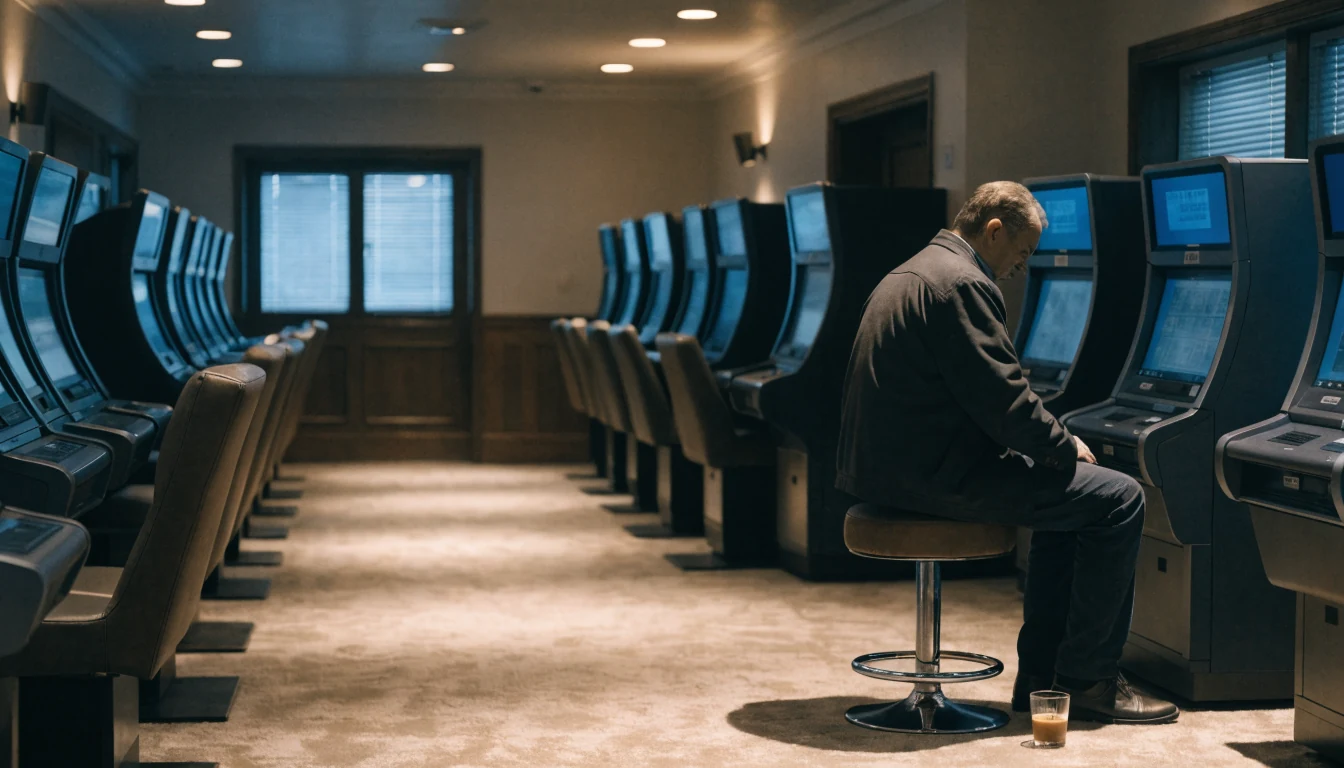
A careful description therefore avoids calling an offshore website a Geelong casino. It identifies the service as online and offshore, states that Australia has no licence for online pokies, and treats the location word as a matter of audience rather than premises.
Local wording. Offshore reality.
Pokies at Crown Casino Geelong: Separating Names from Places
A search for Crown pokies in Geelong combines two ideas that should be kept apart: a brand associated with casino gaming and a city where someone hopes to find it. The wording alone does not establish that a Crown casino venue operates in Geelong, nor does it identify a particular club, hotel or gaming room. A name is not a postcode.
For local, land-based play, the relevant question is whether a venue actually exists in the area and holds the licences required for its gambling products. Australians may legally play at land-based casinos, but a Crown reference should not be treated as proof of local availability. It may describe a different city, an online brand reference, an old listing or simply a muddled venue name. Search results have a talent for making geography look optional.
The same caution applies to “Crown casino” used in an online context. A website using Crown-related language is not thereby a Crown venue, an Australian casino or a locally licensed provider. Online casino games, including real-money pokies, are prohibited from being offered to people in Australia. There is no local casino licence that can be inferred from familiar branding, a polished interface or the appearance of a game catalogue.
That leaves a clean distinction:
- A physical venue: verify its actual location and the gambling product it is authorised to offer.
- A brand or website: do not assume Australian licensing, local presence or consumer protection from the name.
- A Geelong reference: treat it as a location claim requiring evidence, not as evidence itself.
For anyone comparing local options, Crown should therefore be handled as a name to clarify, not a recommendation to repeat. A genuine venue, its licence and its location matter more than the label attached to it. Marketing travels easily. Licences do not.
Created by the ”Betting Insider Australia” editorial team.